
Every lock problem, one honest process.
Nine services, one way of working: you describe the job, you get a fixed quote, you approve it — and you pay at completion, once the work is done and tested. The price we agree is the price you pay.

You'll speak to George — the owner, and a working locksmith.
- ID offered at the door
- DBS-checked
- Fixed quote before we set off
Fixed quote
from £65
Total price — no VAT added
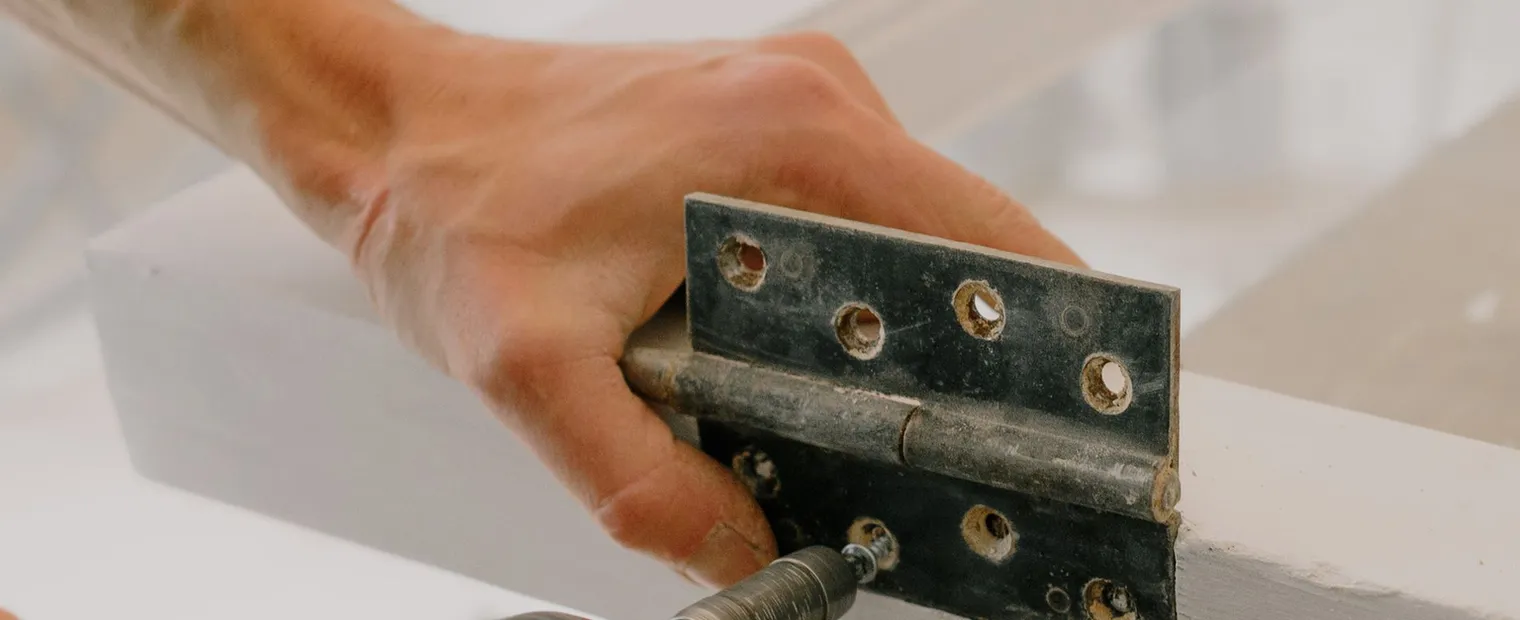
Lock repair — because most "broken" locks aren't.
Service Overview:
Stiff locks, keys that need a wiggle, latches that miss. Most are a repair — and when replacing is genuinely cheaper, we say so first. Typically with you in 30–45 minutes — we'll confirm your exact ETA when you call, no overpromising. 8am–midnight from £65. What changes the figure: the part, if one is needed — named and priced in writing before we fit it — or a second lock. We're rarely the cheapest quote you'll get. We're the one that doesn't change when we arrive. Payment at completion — never before we start, never chased after. You'll have your price in writing before we set off.
How a lock repair actually goes
- Diagnose — We look — and listen — before we quote. At your door, or from a photo or video you WhatsApp us. No pressure, no obligation.
- Repair or replace? — We tell you which is genuinely cheaper, with both numbers in front of you. No "while we're here" extras.
- Fixed quote — One all-in figure, parts named and priced. You approve it before any work starts — and if you don't go ahead, you pay nothing.
- Repair & test — Most repairs take well under an hour. We cycle the lock with every key, with you watching, until it turns like new.
- Pay at completion — Card, bank transfer or payment link once the work is done and tested — never before we start.
What's always included.
Why Choose Us:
No call-out fee - when you accept the quoted work
Payment at completion - never before we start, never chased after.
12-month workmanship guarantee - (terms apply)
£2.5M public liability insurance - Barclays
Real jobs, photographed on the tools
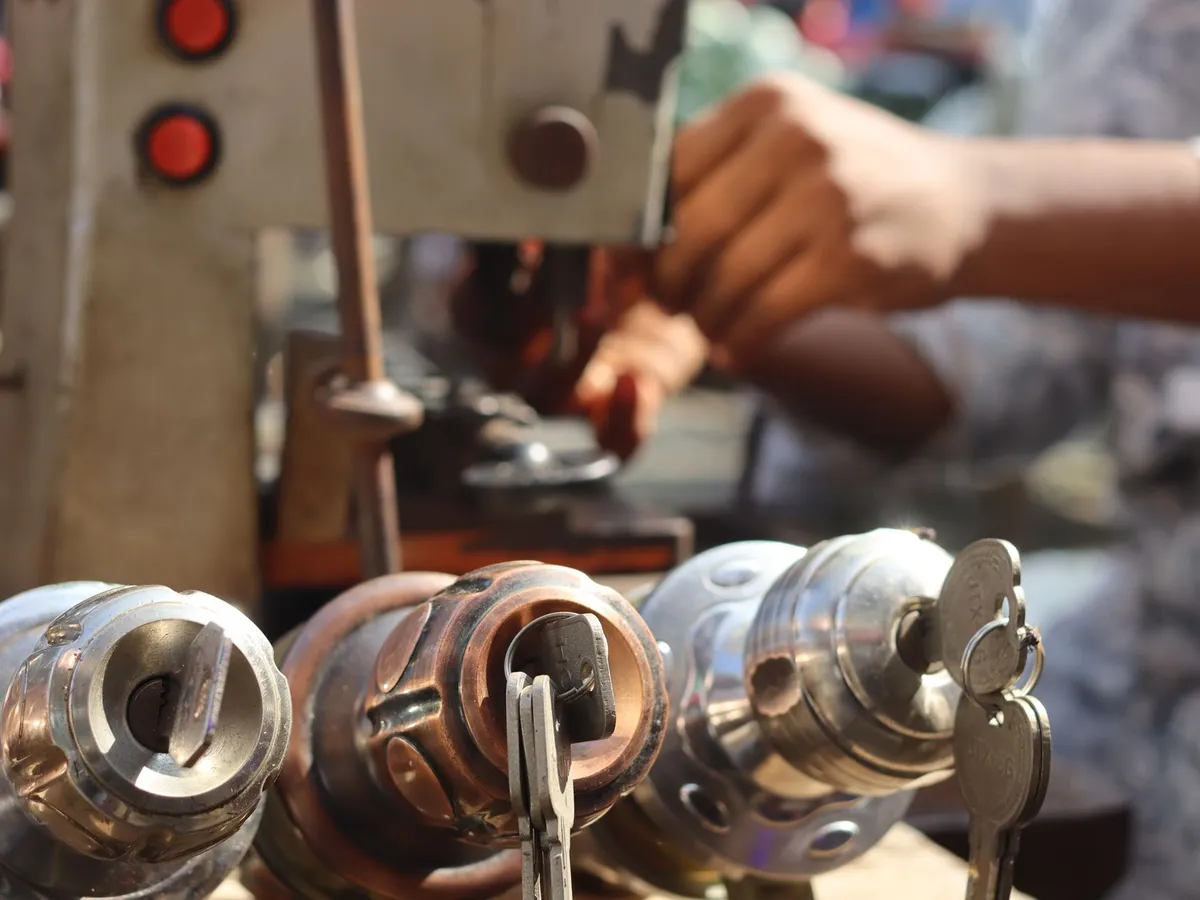
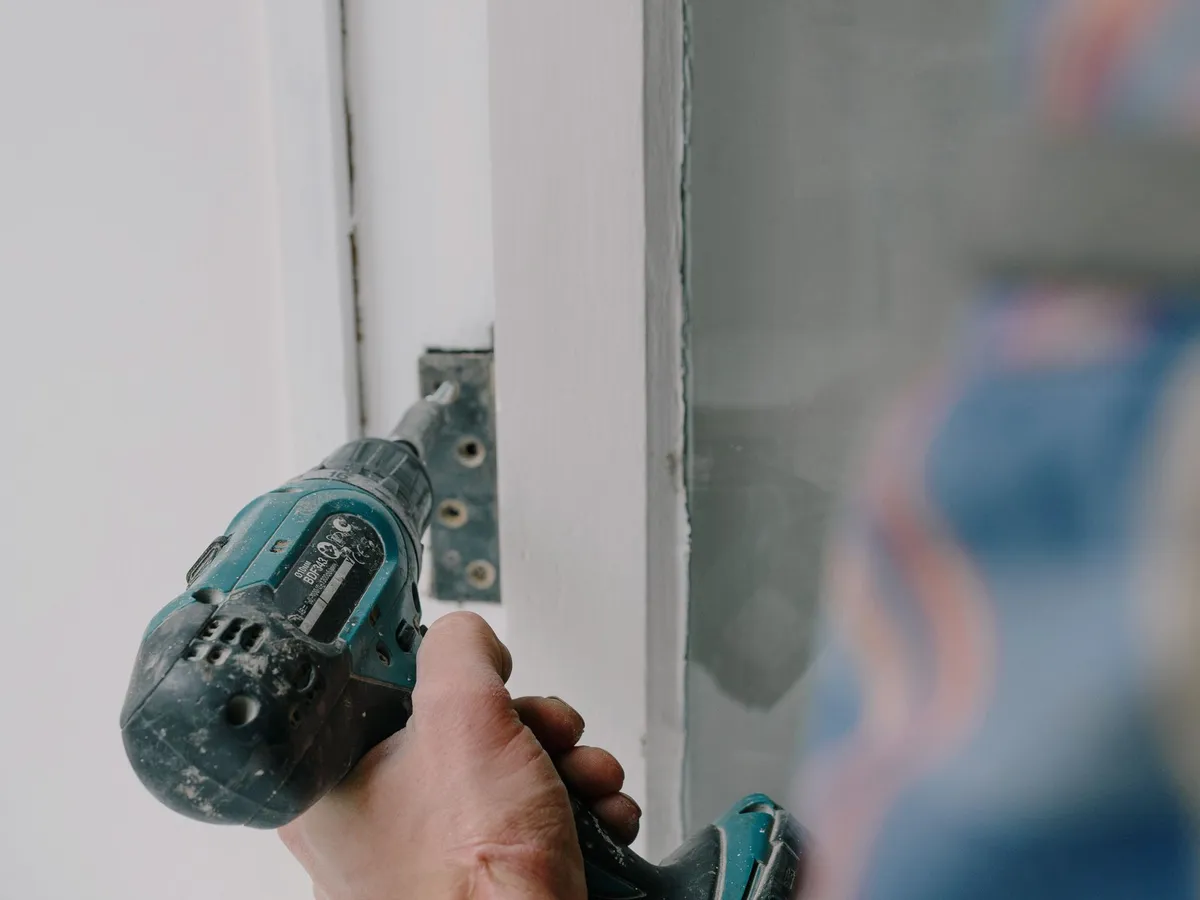
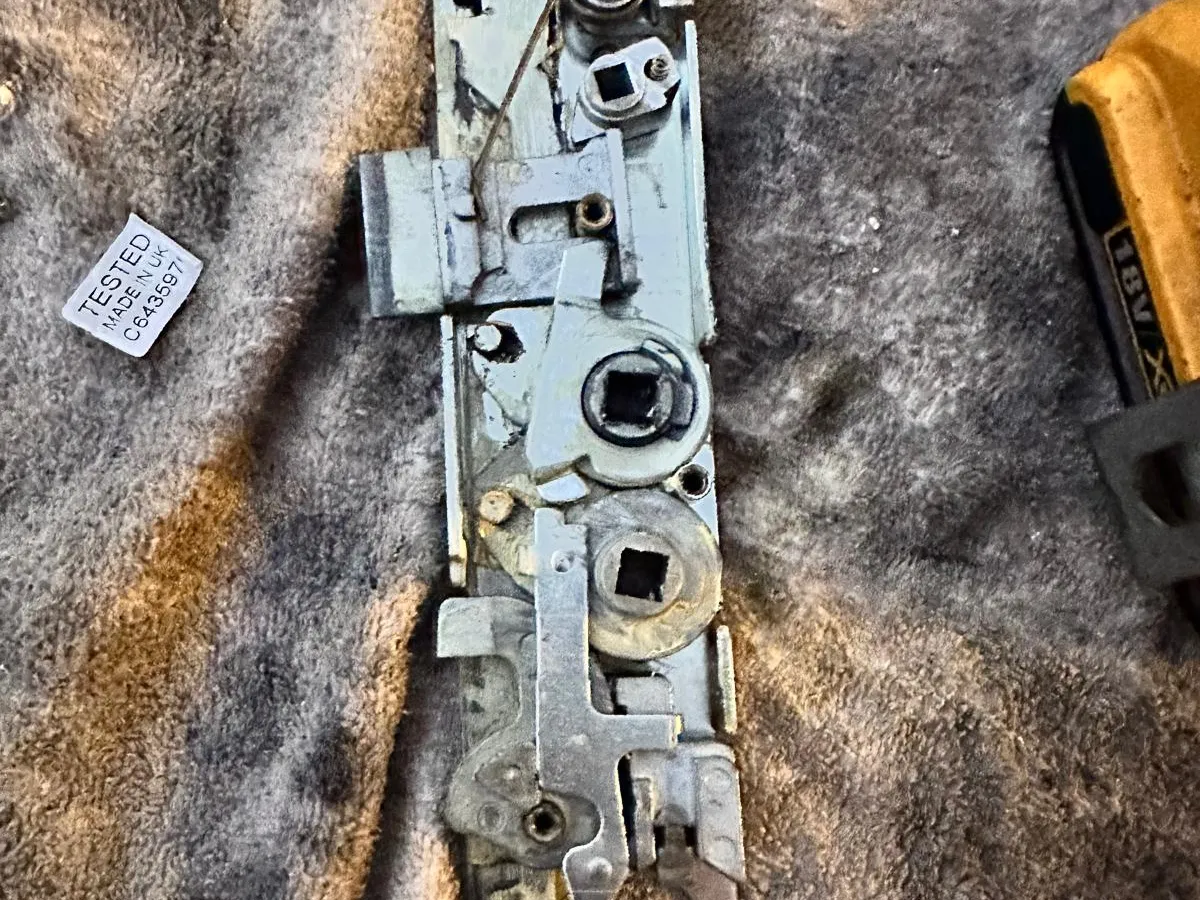
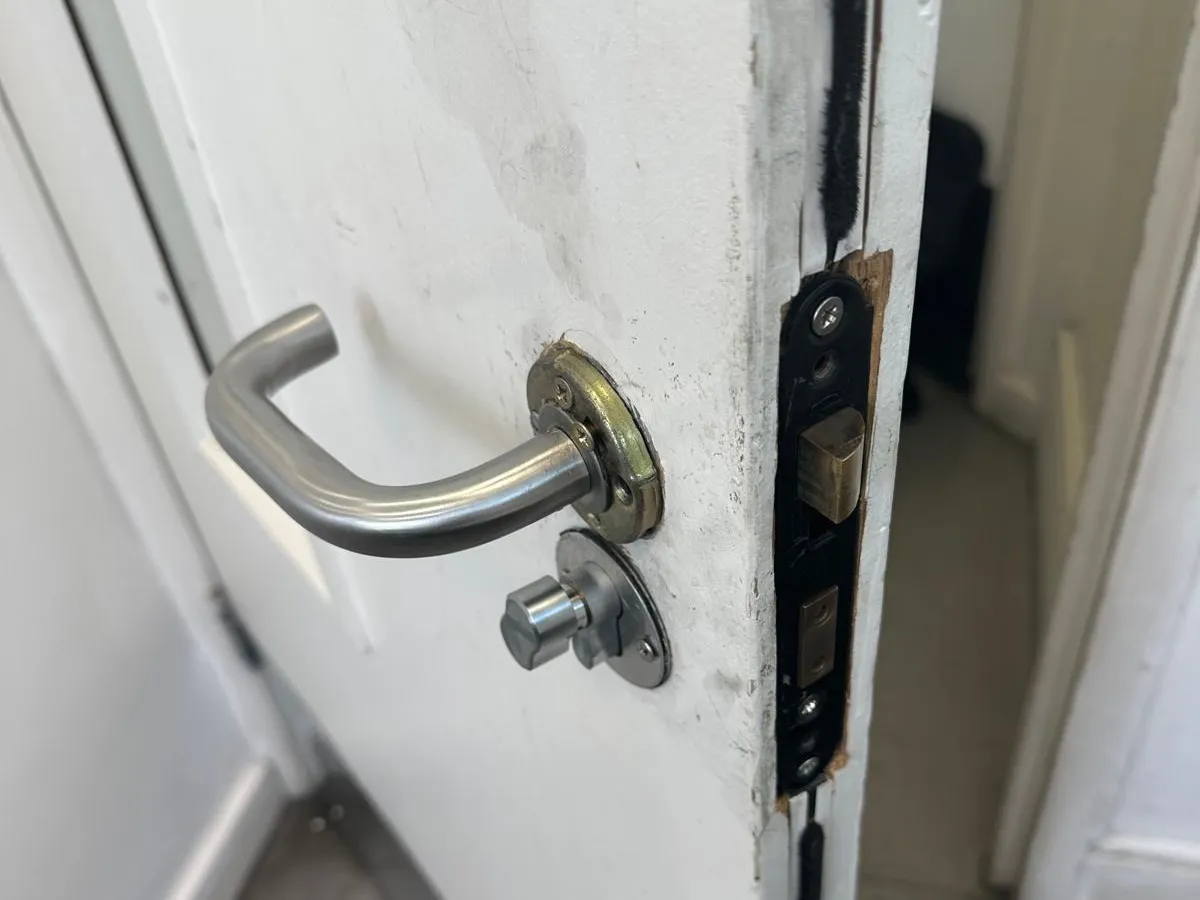
Every frame is a real call-out — 45 photographs taken on the job. The doors, the worn gearboxes, the finished fits: this is the day-to-day work behind the fixed quotes on this page — and the locksmith in the band at the top of this page is the one who answers when you call.
See all recent workDoor open and you can’t lock it tonight? Talk to an emergency locksmith now →
Stiff lock · key won’t turn · latch missing the keep
DBS-checked · ID shown at your door. Trulox Ltd since 2019 — check us on Companies House. 12-month workmanship guarantee (terms apply).
0333 880 9173 — Standard rate — answered by the locksmith, not a call centre.
Open 8am–midnight, every day. After midnight, message us on WhatsApp or send the quote form — we’ll ring you back from 8am.
The two-minute symptom check
Sound like your door?
Locks rarely fail without warning — they grumble first. Every symptom below is usually a repair, caught early. Ignored long enough, it graduates into a snapped key or a door that will not open, at the worst possible moment.
Not sure which one you have? WhatsApp us a ten-second video of the lock misbehaving — we can usually name the fault and the fix from the sound alone.
- Stiff lock, key grinds or sticks. Usually worn pins or a dry mechanism — a strip-down service brings it back. Forcing it is how keys snap.
- Key turns part-way, then stops. Often the lock body, not the key. Stop forcing it and keep that key — the wear pattern tells us where the fault is.
- Latch misses the keep — the door needs a shoulder. The door or frame has moved, not the lock. A realignment is the smallest job we do.
- Handle gone floppy or droopy. A worn spindle, spring cassette or loose follower — a small-parts repair, not a new-handle “upgrade”.
Honest options, fixed first
What a lock repair actually costs.
Every figure is fixed in your quote before we start. And here is the test we apply to every job: if replacing the lock would be cheaper than repairing it, we tell you that first.
Realign & adjust
8am–midnight from £65
- ✓ Latch and keeps realigned so the door closes with one hand
- ✓ Hinges and strike plates adjusted, screws re-seated
- ✓ The fix for doors that only lock when pulled or leant on
- ✓ Done in one visit, tested with you watching
Best when: the door has moved, the lock has not.
Most common
Mechanism service
8am–midnight from £65
- ✓ Lock stripped, cleaned, lubricated and re-tensioned
- ✓ For stiff locks, grinding keys and handles that fight back
- ✓ Worn springs and small internal parts replaced where sensible
- ✓ The exact figure is fixed in your quote — never “somewhere in between, we’ll see”
Best when: the lock works, but every turn feels like a negotiation.
Parts replaced
8am–midnight from £65 · plus parts — named, priced and approved before we fit them
- ✓ Gearboxes, spring cassettes, followers, spindles, keeps
- ✓ Common parts carried with us — many jobs finish in one visit
- ✓ If the part costs more than a better lock, we say so
Best when: one component has died and the rest of the lock is healthy.
One price, day or evening — nothing added after 6pm.
Round numbers, total price — no VAT added — fixed in your quote before we start. You’ll have your price in writing before we set off. See the full price list →
From this exact job
What people say afterwards.
Danny was very helpful and explained everything that he suggested needed doing to effect my door lock repair. Where there were choices for me to make, he explained in detail the benefits of each lock. He told me the cost of each solution and left it for me to decide. I am really happy with the finished work. Thank you.
— Kathy S.
I had George from Trulox, come and fix the lock on my door. He came out the same day and was friendly, professional and conscientious. I was very happy with the job he did and would highly recommend.
— Caroline A.
Very good service, polite friendly locksmith, and above competent. Sorted out three doors very well.
— Dominic O.
Rated 5.0★ on Google — read the reviews →
The honest fork in the road
When a repair would cost more than a quality replacement — an obsolete mechanism, a lock worn past saving — we quote you both numbers side by side and recommend the cheaper one — even when the cheaper one earns us less. See lock replacement →
Asked every week
Honest answers, before you call.
Is a repair really cheaper than a new lock?
Usually — most realignments and services cost less than a replacement plus new keys for everyone. But not always, and that’s the point: when a mechanism is obsolete or worn past saving, replacement is the honest answer, and we quote you both numbers side by side so you can see the maths yourself.
Can you fix it the day I call?
Usually, where the fault is one we carry parts for — common springs, spindles, keeps and cylinders travel with us, so realignments and services tend to finish in one visit. If your lock needs an unusual part, we order it, quote it before fitting, and come back at a time you choose. If the door won’t secure at all in the meantime, say so on the phone — that changes the priority.
What if the part for my lock is obsolete?
It happens, especially with older multipoint mechanisms and discontinued brands. We check pattern-part suppliers first — many “obsolete” gearboxes have modern equivalents. If there’s genuinely nothing available, we tell you straight and quote a replacement instead, so you’re never paying us to hunt for a part that doesn’t exist.
How long will the repair last?
A properly serviced lock should run for years — the mortice locks we service are often older than their owners. Every repair carries our 12-month workmanship guarantee (terms apply): if the same fault returns inside that window, we come back and put it right at no charge.
My key has snapped in the lock — is that a repair?
Treat it as urgent, because the door can’t be secured properly until the broken blade is out. Don’t poke at it with tweezers or glue — that pushes the fragment deeper. Call us and we’ll extract it, then tell you honestly whether the lock that snapped your key needs a service or a swap. Home and business locks only — we don’t cut car keys.
Read first, if you’d rather
Guides that answer this properly.
Find out exactly what it costs — before anyone visits.
Describe the door, or WhatsApp a photo — we name the fix and the fixed price first.
Call 0333 880 9173 · WhatsApp a photo · Send the quote form
Standard rate — answered by the locksmith, not a call centre.