Something is wrong with your lock. Before calling for help—or before attempting repair yourself—accurate diagnosis saves time, money, and frustration.
This guide walks you through identifying common lock problems so you understand what you’re dealing with.
Start with two tests: Does the lock work with the door open? (Tests alignment vs mechanism) Does a spare key work better? (Tests key wear vs lock wear). These two questions narrow most problems immediately. Then match your symptoms to the diagnostic table below.
The Two Essential Tests
Before anything else, perform these tests:
Test 1: Door Open vs Door Closed
With the door standing open:
- Does the key turn smoothly?
- Does the handle operate normally?
- Do the bolts extend and retract?
Compare to door closed operation.
| Door Open | Door Closed | Diagnosis |
|---|---|---|
| Works fine | Difficult | Alignment/frame issue |
| Difficult | Difficult | Lock mechanism issue |
| Works fine | Works fine | Intermittent—investigate further |
Test 2: Different Keys
Try a spare key that’s rarely used:
| Spare Key | Daily Key | Diagnosis |
|---|---|---|
| Works | Doesn’t work | Worn daily key |
| Doesn’t work | Doesn’t work | Lock mechanism issue |
| Works better | Works poorly | Key wear contributing |
Symptom-Based Diagnosis
Find your symptom below:
Key Won’t Insert at All
Possible causes:
- Wrong key (check carefully)
- Debris in keyway
- Frozen mechanism (cold weather)
- Vandalism/foreign object inserted
Quick check: Look into the keyway with a torch. Is there visible obstruction?
Likely solution: Debris removal or thawing. If obstruction is deliberate, professional extraction needed.
Key Inserts But Won’t Turn
Possible causes:
- Wrong key
- Worn key not engaging pins
- Frozen mechanism
- Seized/corroded internals
- Cylinder failure
Quick check: Try spare key. Try with door open. Check for ice in cold weather.
Likely solution: If spare key works, cut new daily key. If nothing works, lubrication or cylinder replacement.
Key Turns But Lock Doesn’t Operate
Possible causes:
- Broken cam (connection between cylinder and mechanism)
- Stripped gearbox (multipoint locks)
- Disconnected tailbar
Quick check: Can you feel resistance when turning, or does it spin freely?
Likely solution: Professional repair. The cylinder-to-mechanism connection has failed.
Lock Works But Door Won’t Open
Possible causes:
- Bolts not fully retracting
- Frame has shifted
- Secondary lock engaged
- Door swollen (weather)
Quick check: With door “unlocked,” can you see the bolt still in the frame? Does lifting the door help?
Likely solution: Alignment adjustment or frame work. Often fixable without lock replacement.
Handle Feels Loose or Floppy
Possible causes:
- Loose handle screws
- Worn spindle
- Broken internal spring
- Gearbox wear (multipoint)
Quick check: Does tightening visible screws help? Does the handle return to position when released?
Likely solution: Often simple tightening. If spring failure, handle or gearbox repair.
Lock Is Stiff to Operate
Possible causes:
- Lack of lubrication
- Debris accumulation
- Worn mechanism
- Misalignment adding friction
Quick check: Stiff with door open or only closed? Responds to lubrication?
Likely solution: Proper lubrication often resolves stiffness. Persistent stiffness indicates wear.
Lock Makes Unusual Sounds
| Sound | Likely Cause |
|---|---|
| Grinding | Metal-on-metal friction, worn parts |
| Clicking (new) | Something broken loose inside |
| Scraping | Misalignment, mechanism catching |
| Nothing (too quiet) | Springs may have failed |
Intermittent Problems
Lock works sometimes but not others:
Possible causes:
- Worn components at tolerance limits
- Temperature/humidity effects
- Alignment that’s borderline
- Failing springs
Quick check: Is there a pattern? Time of day? Weather conditions? After heavy use?
Likely solution: Worn locks with intermittent problems typically get worse. Plan for repair/replacement.
Lock Type Considerations
Euro Cylinders (uPVC/Composite Doors)
Common issues:
- Cylinder wear → Replace cylinder (relatively simple)
- Gearbox failure → Mechanism repair needed
- Cam breakage → Cylinder replacement
Most euro cylinder problems are solved by cylinder replacement, which is straightforward and affordable.
Mortice Locks (Wooden Doors)
Common issues:
- Lever wear → May be serviceable
- Spring failure → Usually requires lock replacement
- Key wear → New key may work
Traditional mortice locks can sometimes be repaired rather than replaced.
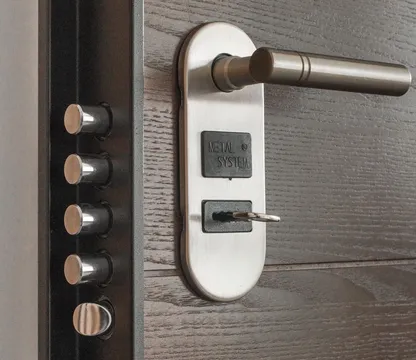
Multipoint Locks
Common issues:
- Gearbox failure → Expensive but replaceable
- Individual hook/bolt failure → Component replacement possible
- Handle mechanism → Usually handle replacement
Multipoint locks have more components that can fail individually.
What Information Helps a Locksmith
When you call, provide:
- Door type: uPVC, composite, wooden, internal
- Lock type: If known (euro cylinder, mortice, multipoint)
- Exact symptom: What isn’t working
- Test results: Door open vs closed, spare key results
- Recent changes: Weather, damage, new sounds
- Urgency: Locked out? Security concern? Convenience issue?
This information helps the locksmith arrive prepared, potentially reducing time and cost.
When Diagnosis Points to Replacement
Some diagnostic results indicate replacement rather than repair:
- Very worn mechanism: Repair may not be cost-effective
- Old lock lacking security features: Upgrade opportunity
- Repeated problems: Fundamental issues won’t stop
- Attack damage: Even repaired, security may be compromised
See our guide on repair vs replace decisions for detailed guidance.
Take Action
Next time your lock misbehaves:
- Pause before forcing anything
- Test with door open vs closed
- Try a spare key if available
- Match symptoms to this guide
- Communicate findings when seeking help
Five minutes of diagnosis can save hours of complication. If the problem persists, consider whether signs indicate your lock needs replacing.