
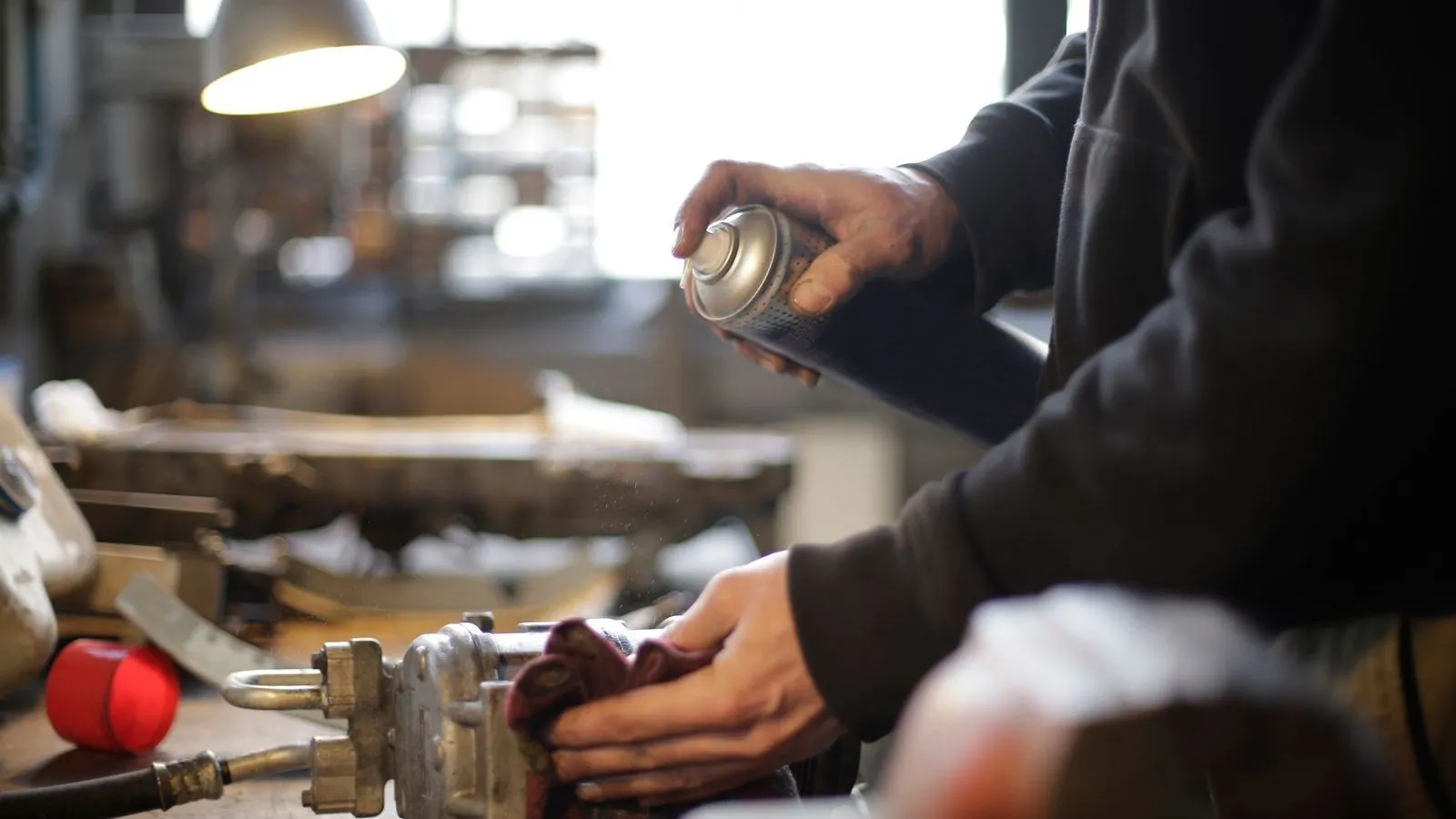
Lock Maintenance: Simple Steps to Keep Your Locks Working
Your locks work silently every day. Turn the key, door opens. Push closed, it locks. You probably don’t think about them—until they fail.
A little maintenance keeps locks functioning smoothly for years. Neglect leads to stiffness, wear, and eventually failure at the worst possible moment.
The short answer
Annual lubrication with graphite powder or PTFE-based lock lubricant keeps mechanisms smooth. Clean key blades before use, tighten loose screws, and address stiffness early. This 10-minute annual routine prevents most lock problems.
Why Locks Need Maintenance
What Happens Inside
Lock mechanisms contain:
- Precision pins that must move freely
- Springs under constant tension
- Metal surfaces that slide against each other
- Tight tolerances that debris disrupts
Over time:
- Dust and grit accumulate
- Lubricants dry out
- Wear creates resistance
- Environmental exposure takes its toll
Locks don’t announce they’re about to fail. They give subtle warnings—increased stiffness, grinding sounds, keys that don’t turn smoothly. Listen to them.
The Annual Maintenance Routine
Step 1: Clean the Key
Before lubricating the lock, clean your keys:
- Wipe with dry cloth
- Remove debris from grooves
- Inspect for wear or damage
- Dirty keys transfer grit into locks
Step 2: Clear the Keyway
Remove loose debris:
- Blow into keyway (or use compressed air)
- Use thin dry brush if needed
- Don’t poke with metal tools
Step 3: Apply Lubricant
Use the right product:
- Graphite powder - Traditional, very effective, dry
- PTFE spray lubricant - Modern alternative, clean application
- Silicone-based dry lubricant - Also acceptable
Caution — Never Use WD-40: WD-40 is not a lubricant. It initially helps but leaves residue that attracts dust and causes long-term problems. See our detailed article on why WD-40 damages locks.
Step 4: Work the Mechanism
After applying lubricant:
- Insert key and work it in/out several times
- Turn the lock through its full range repeatedly
- This distributes lubricant through the mechanism
- Wipe excess from key and lock face
Step 5: Check Door Hardware
While you’re there:
- Tighten handle screws
- Check hinge screws
- Ensure deadbolt engages smoothly
- Note any misalignment
Lubrication Products Compared
| Product | Type | Advantages | Disadvantages |
|---|---|---|---|
| Graphite powder | Dry | Long-lasting, excellent lubrication | Messy, black residue |
| PTFE spray | Dry | Clean, easy application | More expensive |
| Dry silicone | Dry | Readily available | Variable quality |
| Oil-based lubricants | Wet | Attracts dust, not recommended | Avoid |
| WD-40 | Solvent | Not suitable | Avoid |
Note — Dry vs Wet: Lock lubricants should be DRY type. Wet lubricants attract and hold dust, creating the gummy residue that causes problems. Always check that products are labelled for lock use.
Addressing Common Problems
Stiff Lock (Key Hard to Turn)
Causes:
- Dried lubricant
- Debris in mechanism
- Worn key or pins
- Misalignment
First response: Apply fresh lubricant and work the mechanism. If stiffness persists, professional attention is needed.
Grinding Sound
Causes:
- Grit in the mechanism
- Worn components
- Corrosion
Action: Lubricate to see if it resolves. Persistent grinding suggests internal wear—consider inspection or replacement.
Key Sticks or Jams
Causes:
- Worn key not matching worn pins perfectly
- Debris catching the key
- Damaged keyway
Try: Clean key, clean keyway, lubricate. If problems persist, try a fresh key cut from the original. Still problematic? Professional assessment.
Lock Feels Loose
Causes:
- Loose fixing screws
- Worn cam or tail piece
- Door/frame movement
Check: Tighten visible screws. If cylinder moves within the door, the fixing screw inside may need attention.
Seasonal Considerations
Before Winter
- Lubricate all external locks
- This prevents freezing by displacing moisture
- Graphite creates a water-resistant barrier
- Frozen locks often start as under-maintained locks
After Extended Absence
- Work locks before travelling (don’t discover problems when you return)
- Lubricate after returning if stiffness developed
- Consider whether locks sat unused too long
Following Wet Weather
- Heavy rain can introduce moisture
- If locks feel rough after storms, dry and lubricate
- Check for corrosion on exposed hardware
When Maintenance Isn’t Enough
Signs of Wear Beyond Maintenance
- Consistent stiffness despite lubrication
- Visible corrosion or damage
- Keys that are visibly worn
- Locks older than 10-15 years
- Previous attack damage
Time for Professional Attention
- Mechanism won’t improve with lubrication
- Internal sounds suggest component failure
- Lock no longer meets security standards
- Insurance requires certified locks
See our guide on signs your lock needs replacing for detailed assessment criteria.
Maintenance extends lock life but doesn’t prevent eventual wear. A lock that’s been well-maintained for 15 years has still been used 15 years. Consider when replacement makes sense.
Your Maintenance Checklist
Create an annual reminder (insurance renewal date works well):
- Clean all external keys
- Lubricate front door lock
- Lubricate back door lock
- Lubricate garage/outbuilding locks
- Check door handle tightness
- Verify deadbolts engage fully
- Note any locks needing attention
- Schedule professional inspection if needed
Take Action
This weekend, spend 10 minutes on your locks:
- Get graphite powder or PTFE lubricant
- Work through each external door
- Note any that need professional attention
- Set a reminder for next year
Ten minutes now prevents hours of frustration later—and potentially costly emergency calls when locks fail unexpectedly. For proper diagnosis, see common lock problems.
How to Maintain Your Door Locks
- Clean your keys. Wipe keys with a dry cloth and remove debris from grooves. Inspect for wear or damage. Dirty keys transfer grit into locks.
- Clear the keyway. Blow into the keyway or use compressed air to remove loose debris. Use a thin dry brush if needed but don’t poke with metal tools.
- Apply graphite lubricant. Puff small amounts of graphite powder or PTFE spray lubricant into the keyhole. These dry lubricants don’t attract dust like oil-based products.
- Work the mechanism. Insert the key and work it in and out several times. Turn the lock through its full range repeatedly to distribute lubricant. Wipe excess from key and lock face.
- Check door hardware. Tighten handle screws, check hinge screws, ensure the deadbolt engages smoothly, and note any misalignment that needs attention.
- Schedule annual maintenance. Set a yearly reminder to repeat this process. Locks in harsh environments or heavy use may benefit from twice-yearly treatment.
Frequently asked questions
How often should I maintain my locks?
Annual maintenance is sufficient for most locks. This includes lubrication with graphite powder and checking for stiffness or wear. Locks in harsh environments may need more frequent attention.
What is the best lubricant for door locks?
Graphite powder is ideal for most locks. PTFE-based lock lubricants are also excellent. Avoid oil-based products including WD-40 is not a lubricant, which attract dust and can worsen problems.
Can I maintain my locks myself?
Yes. Basic maintenance involves applying graphite lubricant, checking for smooth operation, tightening any loose screws, and addressing minor stiffness early before it becomes a major issue.
When should I call a professional for lock maintenance?
If lubrication doesn’t resolve stiffness, if the mechanism makes unusual sounds, if keys are increasingly difficult to turn, or if you notice visible wear or damage.
How often should I lubricate locks?
Once a year is minimum for most homes. High-use locks like the main entry door benefit from twice-yearly attention. Coastal or exposed locations may need more frequent care.
Can I use cooking oil on a lock in an emergency?
No. Food-based oils gum up, go rancid, and create more problems. Use nothing rather than the wrong thing—just get proper lubricant promptly.
My lock has always been stiff. Is that normal?
No. Stiffness indicates a problem—poor initial fitting, wrong key cut, debris, or wear. Investigate rather than accepting it.
Do smart locks need maintenance?
Mechanical components of smart locks need the same care. Battery replacement is additional. Check manufacturer guidance for specific products.
Talk it through with the locksmith
Describe the door, get a fixed quote, decide in your own time — no pressure either way.
0333 880 9173 — Standard rate — answered by the locksmith, not a call centre. Send a photo on WhatsApp
- ✓ You’ll have your price in writing before we set off.
- ✓ 8am until midnight, seven days a week
George — owner & working locksmith
Owner & working locksmith, Trulox Ltd · DBS-checked · Serving since 2019
George answers the phone, prices the jobs and works the vans — the advice on this page is how we actually work, written down. More about Trulox.
Trulox · 0333 880 9173 · trulox.co.uk · 8am until midnight, seven days a week