
Locked Out at Night: What to Do and How to Stay Safe
Written by George , Trulox’s locksmith · Updated 13 June 2026 · 5-minute read
The door closes. You reach for your keys. They’re not there.
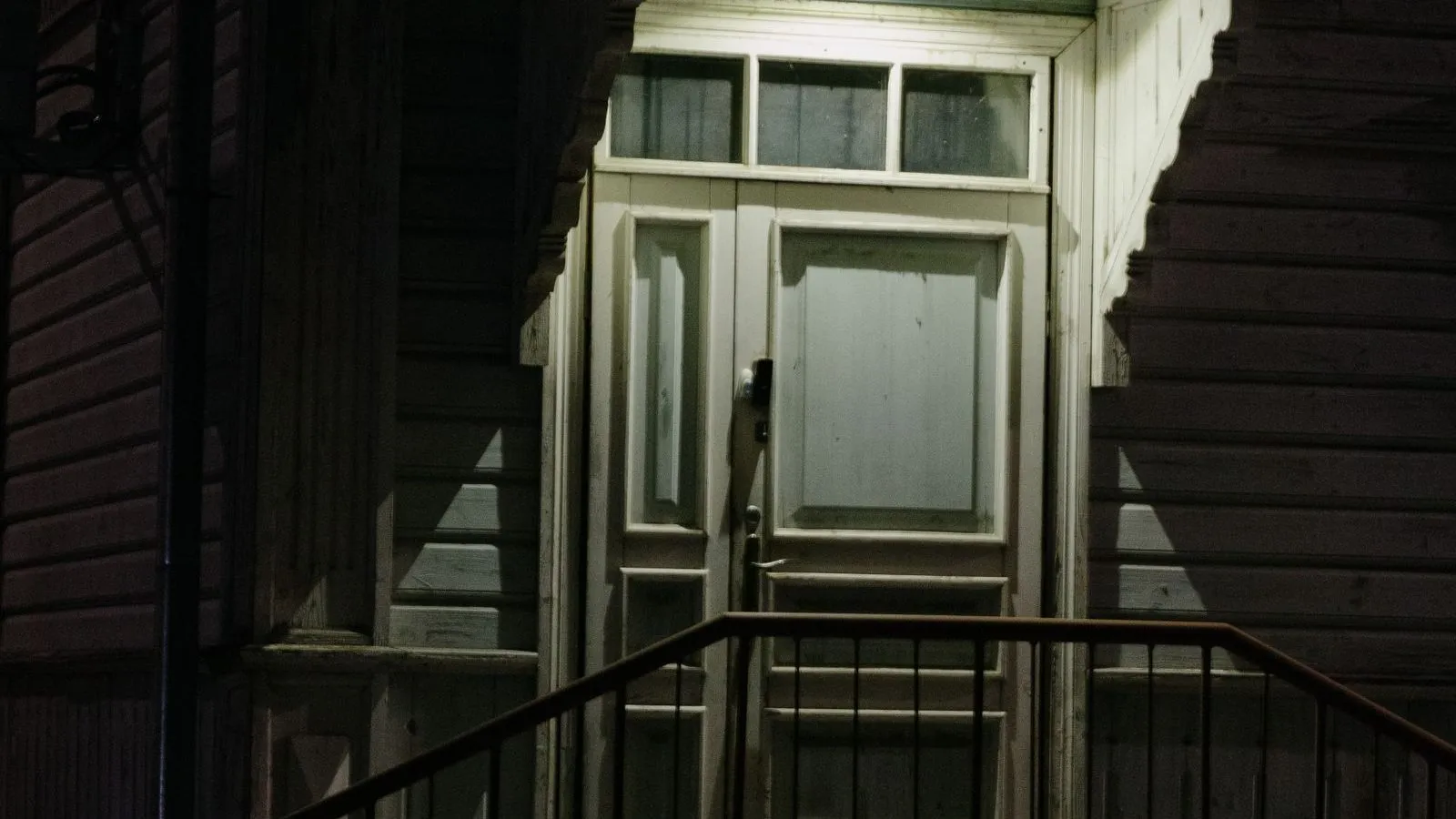
It’s dark. It’s cold. The shops are closed. Your phone might be in there too. A night lockout is more than inconvenient—it can feel genuinely frightening. For other emergency situations, see our guides on door jammed and key snapped in lock.
The short answer
Stay calm and assess your situation safely. Check all entry points before assuming you’re locked out. Contact someone who has a spare key. If no other options exist, a professional locksmith can help. Never attempt dangerous entry methods or trust unsolicited “help” from strangers.
First Response: Assess Before Acting
The moment you realise you’re locked out, adrenaline kicks in. Your first instinct might be to try forcing something. Resist this.
Stop and Think
- Where exactly are your keys? Might they be in a bag, jacket, or pocket you haven’t checked?
- Is there any chance the door isn’t actually locked?
- Are all other possible entry points definitely secured?
In the stress of the moment, people often overlook the obvious. A surprising number of “lockouts” are solved by trying the door again or checking the other pocket.
Check All Entry Points (Carefully)
Walk around your property and check:
- Back door
- Side doors
- Ground-floor windows (if safely accessible)
- Garage with internal access to house
For window security tips, see our dedicated guide.
Important: Only check entry points that are clearly safe to access. Don’t climb, balance, or reach through anything. Don’t break anything.
Secure Your Immediate Safety
Before solving the key problem, address your safety.
Find a Safe Place to Wait
If you can’t get in immediately, you need somewhere safe while you figure it out:
- A neighbour you know
- Your parked car (if you have keys)
- A 24-hour business nearby
- A well-lit public area
Caution — Night Safety: Don’t stand in dark, isolated areas. Don’t assume a quiet street is automatically safe. Position yourself where you’re visible and can move quickly if needed.
If Your Phone Is Trapped Inside
This complicates everything. Options:
- Knock on a trusted neighbour’s door to borrow a phone
- Walk to a nearby business that’s open
- Find a public phone (increasingly rare but still exist)
- If you’re in danger, approach any open business for help
Who Holds Spare Keys?
Think through everyone who might have a copy:
- Partner, family member, flatmate
- Parents or siblings
- Trusted friend or neighbour
- Work colleague (if you exchanged keys)
- Your landlord or letting agent
Making Contact
If your phone is accessible, start working through your contacts. Be prepared for:
- People not answering at night
- Time needed for someone to come from distance
- The awkward conversation about borrowing keys at midnight
Landlord and Letting Agent Considerations
Tenants: Your landlord or agent may have spare keys and an emergency protocol. Check your tenancy paperwork or saved contacts for emergency numbers.
What Not to Do
In desperation, people sometimes make risky decisions. Avoid these:
Don’t Attempt Risky Physical Entry
- No climbing to upper windows
- No breaking glass (injury risk, expense, and you’ll be cold)
- No forcing flimsy doors (you’ll damage them and still be outside)
These actions can cause injury, significant property damage, and potential alarm triggers or police involvement.
Don’t Accept “Help” from Strangers
Unfortunately, criminals sometimes exploit people in vulnerable situations:
- Someone offering to “help you break in”
- Anyone who just happens to know a locksmith
- People being overly interested in your situation
Caution — Scam Alert: Distraction burglary operates on this principle—engaging with you while an accomplice acts. Be polite but don’t accept unsolicited help from strangers at night.
Don’t Leave the Property Unsecured
If you’ve found an unlocked window and climbed in, secure it properly afterwards. An easy entry for you is an easy entry for anyone.
Getting Professional Help
When self-help options are exhausted, a locksmith is the professional solution.
Finding a Legitimate Locksmith
At night, you need someone reliable:
- Check reviews if you have internet access
- Use a recognised directory or professional body listing
- Ask for identification before allowing work
- Get a quote before agreeing to proceed
What to Expect
A competent locksmith will:
- Arrive in a reasonable timeframe
- Ask for identification or proof you live there
- Explain what they need to do
- Provide a clear price before starting
- Use appropriate entry methods
- Leave you with working locks
Costs to Expect
Night and emergency rates typically cost more than daytime appointments. This reflects the unsociable hours and often the journey involved.
Our price · fixed quote
- 8am–midnight — from £69
lockout — a fixed quote before any work starts, total price — no VAT added.
You’ll have your price in writing before we set off. See the full price list.
Note — Price Clarity: Reputable locksmiths give clear quotes upfront. Be wary of vague estimates, suspiciously low quotes that balloon after arrival, or pressure tactics. You’re vulnerable but you still have choices.
While You Wait
If help is on the way but you’re waiting:
Stay Warm
- Keep moving gently to maintain body temperature
- If you have access to a car, sit inside with heating on
- A neighbour may offer you a waiting spot
Stay Alert
- Keep your phone charged if possible (ask to borrow a charger)
- Note your surroundings
- Trust your instincts—if something feels wrong, move
Stay Calm
Easier said than done, but panic doesn’t solve problems. Focus on practical next steps.
After You’re Back Inside
Once in, take steps to prevent a repeat:
Immediate
- Make a spare key
- Identify your key loss pattern (always losing them in certain situations?)
- Check whether you need to re-secure anything opened during entry
Preventive Measures
Spare key strategies:
- Leave a spare with a nearby trusted person
- Consider a secure key lockbox (properly concealed) - see our guide on spare key storage
- Keep emergency contact numbers saved for future
Habit changes:
- Designated key place at home
- Key checking routine before leaving
- Connected key finders (Tile, AirTag, etc.)
Special Situations
Children or Pets Inside
If children or animals are locked inside:
- This is a genuine emergency
- Call emergency services if there’s any health risk
- Be clear about the urgency when contacting a locksmith
- Don’t panic—help is available
You’re Not the Property Owner
If you’re locked out of a rental:
- Your landlord or agent may have emergency access
- Keep their contact details in your phone
- Check tenancy for emergency procedures
- Document everything for deposit protection
The Lock Is Actually Broken
If the lock has failed (not just that you lack keys):
- The same principles apply for getting help
- This may be covered by home insurance
- Keep evidence of the failure
- If a key snapped in the lock, don’t force it
Prevention Is Better Than Cure
One night-time lockout is enough for most people to take prevention seriously:
- Create spare keys now, before you need them
- Establish trusted people who can help in emergencies
- Save emergency numbers where you can access them
- Build habits that prevent key loss
A few minutes of preparation replaces hours of cold, stressful waiting in the dark.
What to Do When Locked Out at Night
- Stay calm and check all pockets. Before panicking, thoroughly check all pockets, bags, and jackets. A surprising number of lockouts are solved by finding keys in an unexpected place.
- Check all entry points. Walk around and check the back door, side doors, and ground-floor windows. Only check what’s clearly safe to access—don’t climb or break anything.
- Find a safe place to wait. Position yourself in a safe, well-lit area—a neighbour’s house, your car if accessible, or a 24-hour business nearby. Avoid dark, isolated spots.
- Contact spare key holders. Think through everyone with a copy: partner, family, trusted neighbour, landlord. Work through contacts even if it’s late—most will understand.
- Call a reputable locksmith. Find a locksmith with reviews if possible. Get a clear quote before agreeing, ask for identification on arrival, and confirm what work is needed.
- Plan prevention for next time. Once inside, immediately plan to prevent recurrence: make spare keys, leave one with a trusted neighbour, and consider a key safe.
Frequently asked questions
Is it safe to wait outside for a locksmith at night?
Find a safe, well-lit area near your property. A trusted neighbour’s house, your car (if accessible), or a 24-hour business nearby are good options. Avoid dark, isolated spots.
How much do emergency locksmiths charge at night?
Night callouts typically cost £70-150 depending on location and complexity, and market rates vary widely. Ours is a fixed quote before any work starts — total price, no VAT added. Whoever you call, get the price before agreeing.
Should I break a window to get inside?
Only as an absolute last resort and only if you’re certain it’s safe. Breaking glass risks injury, costs money to replace, and leaves your home unsecured. A locksmith is usually cheaper and safer.
Can any locksmith help with a night lockout?
Some locksmiths advertise late-night emergency services, but real availability and response times vary. Call ahead to confirm opening hours, availability, and an estimated arrival time before committing.
Should I call the police for a lockout?
Generally, no—police don’t provide lockout services. Exception if you’re in danger, children or vulnerable people are at risk inside, or you suspect criminal activity.
Will I need to replace the lock after a lockout?
Not necessarily. Many lockouts are resolved without lock damage. If the lock must be drilled (rare), replacement is needed.
How long does a locksmith take to arrive at night?
Depends on time, location, and availability. Expect 20 minutes to an hour in most situations. Remote areas or peak times may be longer.
My keys were stolen—should I replace locks?
Yes. If keys were stolen rather than simply lost, treat the locks as compromised. Someone knows where you live and has the means to enter.
Talk it through with the locksmith
Describe the door, get a fixed quote, decide in your own time — no pressure either way.
0333 880 9173 — Standard rate — answered by the locksmith, not a call centre. Send a photo on WhatsApp
- ✓ You’ll have your price in writing before we set off.
- ✓ 8am until midnight, seven days a week
George — owner & working locksmith
Owner & working locksmith, Trulox Ltd · DBS-checked · Serving since 2019
George answers the phone, prices the jobs and works the vans — the advice on this page is how we actually work, written down. More about Trulox.
Trulox · 0333 880 9173 · trulox.co.uk · 8am until midnight, seven days a week