Every visitor, every delivery, every potential intruder approaches through your front door. It’s the most visible entry point—and often the most attacked.

Yet most people have never truly assessed their front door security. They assume it’s fine because the door closes and locks. That assumption may be dangerously wrong.

The short answer

A secure front door needs: a solid door (not hollow), a high-security cylinder (TS007 3-star), a reinforced frame, quality hinges, and proper installation. Weakness in any component compromises the whole system. Most vulnerabilities are upgradeable without replacing the entire door.

The Front Door Security Chain

Security is only as strong as the weakest link. Your front door has multiple links:

  1. The door itself - Material and construction
  2. The frame - What the door locks into
  3. The lock - The mechanism preventing opening
  4. The cylinder - The key-operated component
  5. The hinges - How the door attaches
  6. The letterbox - A hole through your security

Each requires attention. Upgrading the lock while ignoring a weak frame wastes money and provides false confidence. For comprehensive door upgrades, see door security upgrade.

Assessing Your Door

Door Material

Solid timber:

  • Traditional and potentially very secure
  • Thickness matters (44mm minimum)
  • Quality varies enormously
  • Can rot or warp over time

Composite:

  • Modern, popular choice
  • GRP skin over reinforced core
  • Generally excellent security
  • Quality depends on manufacturer

uPVC:

  • Common and affordable
  • Security depends on locking mechanism
  • Panel construction can be vulnerability
  • Reinforcement varies by model

Hollow core:

  • Found on internal doors—should never be external
  • No security value whatsoever
  • Replace immediately if found on an external door

Door Construction Assessment

Check for:

  • Solid feel when knocked
  • Weight - heavier generally means more solid
  • Panel construction - glass or thin panels are weak points
  • Age and condition - warping, rot, damage

The Glass Question

Glass in or beside doors creates vulnerability:

  • Large panes can be broken for direct entry
  • Small panes may allow reaching internal locks
  • Even reinforced glass isn’t impenetrable
  • Consider glass position relative to lock

Options:

  • Laminated glass (harder to break, holds together)
  • Georgian bars (smaller panes = less useful to intruder)
  • Double-key locks (key needed both sides—but fire safety concern)

Assessing Your Frame

Why Frames Fail

The strike plate (where bolts enter) takes enormous force during kick attacks. If the frame is weak:

  • Screws pull out
  • Wood splits
  • Frame separates from wall
  • Door opens despite lock holding

Frame Materials

Timber:

  • Traditional but vulnerable to splitting
  • Quality of wood matters
  • How it’s mounted to the wall matters
  • Often the weak point in older properties

uPVC/Composite frames:

  • Generally more resistant to splitting
  • Quality varies by manufacturer
  • Reinforcement steel inside is essential

Upgrading Frame Security

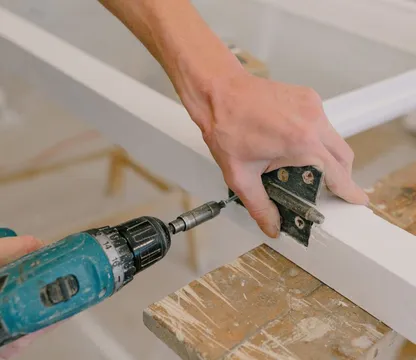
  • Longer screws into wall studs (not just frame)
  • Strike plate reinforcement - metal plates distributing force
  • London/Birmingham bars - full-length metal reinforcement
  • Frame repair if damaged or rotted

Assessing Your Lock

Mortice Locks (Timber Doors)

For wooden doors, look for:

  • BS3621 certification - the insurance standard
  • 5-lever mechanism - minimum for security
  • Deadlocking - latch can’t be slipped
  • Boxed strike - protected strike plate

Multipoint Locks (uPVC/Composite)

Modern doors typically have:

  • Central gearbox - operated by handle
  • Multiple locking points - hooks or bolts at various heights
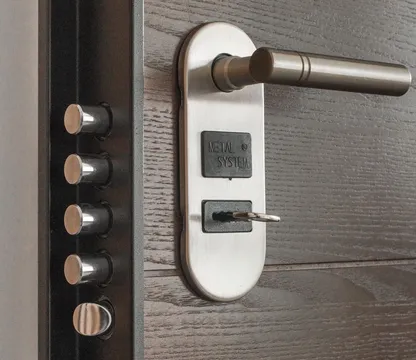
  • Cylinder - the key-operated component

The cylinder is typically the weak point—even excellent multipoint mechanisms fail if the cylinder is defeated. Learn more about what is lock snapping and why this vulnerability matters.

Cylinder Assessment

For Euro cylinders:

  • Is it anti-snap rated? (TS007)
  • Does it protrude excessively? (vulnerability)
  • Is it loose or worn?
  • When was it last upgraded?

Assessing Your Hinges

Hinge Vulnerabilities

If hinges are on the exterior (door opens outward):

  • Pins can potentially be removed
  • Door can be lifted off even when locked
  • Security hinges with fixed pins are essential

Even interior hinges should be:

  • Properly secured with long screws
  • Fitted with hinge bolts (extra protection)
  • Free from excessive play or wear

Hinge Bolts

These metal rods engage with the frame when the door closes:

  • Provide security even if hinges are attacked
  • Inexpensive addition to any door
  • Can be retrofitted to existing doors
  • Two is standard—top and bottom

Assessing Your Letterbox

The Overlooked Entry Point

A letterbox is literally a hole through your security. For comprehensive protection strategies, see our letterbox security guide. Through it, criminals can:

  • “Fish” for keys left near the door
  • Reach internal locks (if close enough)
  • Insert tools to manipulate handles
  • See into your property

Letterbox Security Options

Letterbox guards:

  • Metal cage on the inside
  • Prevents reaching through
  • Also contains mail neatly

Letterbox restrictors:

  • Limit how far the flap opens
  • Prevents hand/tool entry
  • Simple retrofit

Upgraded letterbox design:

  • Cowl fitting preventing upward reach
  • Internal brush reducing fishing
  • Metal construction throughout

The Complete Assessment

Walk through this checklist:

Door Structure

  • Solid core construction
  • No rot, warping, or damage
  • Glass is security glass or out of reach of locks
  • Minimum 44mm thickness (timber)

Frame

  • Solid, no rot or movement
  • Strike plates secured with long screws
  • Frame reinforcement considered
  • Good fit to door (no excessive gaps)

Lock

  • BS3621 mortice (timber) or quality multipoint
  • TS007 3-star cylinder
  • Cylinder sits flush (minimal protrusion)
  • Smooth operation

Hinges

  • Security hinges (if exterior-facing)
  • Hinge bolts fitted
  • Secure with long screws
  • No play or wear

Letterbox

  • Guard or restrictor fitted
  • Can’t reach internal locks through it
  • Keys never left near door

Prioritised Upgrade Path

If you can’t upgrade everything at once:

Priority 1: The Cylinder

Replace any standard cylinder with TS007 3-star anti-snap. Highest impact for lowest cost. See our guide on choosing the right lock for detailed recommendations.

Priority 2: Frame Reinforcement

Longer screws and strike plate reinforcement. Relatively inexpensive.

Priority 3: Letterbox Security

Guard or restrictor. Easy retrofitting.

Priority 4: Hinge Security

Hinge bolts if not already fitted. Simple addition.

Priority 5: Door Replacement

If the door itself is the weakness, this becomes necessary—but it’s the most expensive step.

Take Action Now

Stand at your front door. Look at it objectively, as if you were assessing someone else’s home.

Could you kick it in? Could you break the glass and reach the lock? Does that cylinder look like it would resist attack?

If you’re not confident in the honest answers, you know what needs to change.