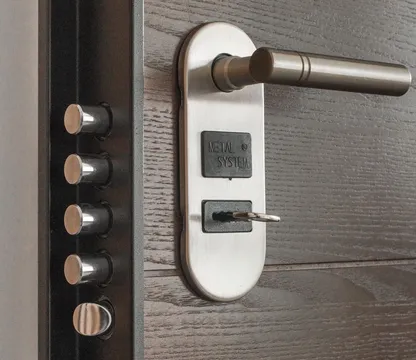
If you have a uPVC or composite door, you have a multipoint locking system. It’s probably worked so reliably for years that you’ve never thought about how it actually functions.

Understanding what happens inside your door when you lift that handle helps you maintain it properly—and recognise early when something isn’t right.

The short answer

A multipoint lock has 3-7 locking points (hooks, bolts, and rollers) distributed along the door edge. When you lift the handle, a central gearbox moves all these points into locked position simultaneously. A key turn then secures the gearbox. This system provides superior security and weather sealing compared to single-point locks.

The Components of Your Multipoint Lock

The Gearbox (Heart of the System)

The gearbox sits behind your door handle, roughly in the centre of the door edge.

What it does:

  • Converts handle lift motion into linear push/pull
  • Coordinates movement of all locking points
  • Provides spring return for the handle
  • Connects to the cylinder for key operation

Common gearbox types:

  • Centre-case designs (gearbox in the middle)
  • Split-spindle versions (for thumbturn operation)
  • Hook-bolt integrated designs

The Cylinder (Key Operation)

The Euro cylinder sits in the gearbox, allowing key operation. Understanding the difference between gearbox and cylinder problems helps with diagnosis.

What it does:

  • Allows you to lock/unlock with a key
  • Engages a cam that secures the gearbox
  • Prevents the handle from disengaging the locks

The Hooks

Hooks are curved locking points that engage with keeps (receivers) in the frame.

What they do:

  • Pull the door tightly against the frame
  • Resist forcing attacks (prying the door)
  • Provide multiple secure anchor points

Typical positions:

  • One or two above the main lock
  • One or two below the main lock

The Shootbolts

Shootbolts are straight bolts that extend into the frame at top and bottom of the door.

What they do:

  • Secure the very top and bottom of the door
  • Prevent leveraging attacks at door corners
  • May be deadbolts or spring-loaded

Rollers and Cams

Rollers (or cams) are compression points that don’t fully lock but pull the door tight.

What they do:

  • Compress weather seals
  • Reduce rattling and draughts
  • Support the locking points by eliminating play

The Connecting Bars

Metal bars running inside the door edge connect the gearbox to remote hooks and bolts.

What they do:

  • Transmit gearbox movement to top and bottom of door
  • Coordinate simultaneous engagement of all points

How the Lock Operates

Step 1: Door Closes

When you push the door closed:

  • The spring latch catches in its keep
  • Door is held closed but not locked
  • All hooks and bolts remain retracted

Step 2: Handle Lifts

When you lift the handle:

  • The spindle rotates the gearbox mechanism
  • Gearbox pushes/pulls the connecting bars
  • Hooks swing into their keeps
  • Shootbolts extend into frame
  • Rollers compress against frame

All points engage simultaneously—this is what “multipoint” means.

Step 3: Key Turns

When you turn the key:

  • Cylinder cam rotates
  • Gearbox becomes locked in position
  • Handle cannot be operated from outside
  • All locking points remain securely engaged

Why Multiple Points Matter

Security Benefits

Distributed resistance:

  • Force applied anywhere meets multiple anchor points
  • Door can’t be levered open at one corner
  • Hooks and bolts resist different attack angles

Redundancy:

  • Single point failure doesn’t defeat the system
  • Door remains substantially secure
  • Repairs can be prioritised

Weather Sealing Benefits

Compression points:

  • Rollers pull door tight against seals
  • Multiple points prevent warping
  • Reduces draughts and water ingress

Structural Benefits

Stress distribution:

  • Wind load spread across multiple points
  • Door doesn’t flex or bow
  • Hinges experience less strain

The Role of Keeps (Striking Plates)

Keeps are the frame-mounted receivers that hooks, bolts, and rollers engage with.

Types of Keeps

TypePurposeLocation
Hook keepsReceive and hold hooksOpposite each hook
Shootbolt keepsReceive top/bottom boltsFrame head and sill
Roller keepsCompression surfaceOpposite each roller
Latch keepSpring latch receiverOpposite main lock

Keep Alignment Matters

If keeps are misaligned:

  • Hooks can’t engage properly
  • Door requires excessive force to lock
  • Progressive damage to mechanism
  • False sense of security (looks locked but isn’t)

Signs Your Multipoint System Needs Attention

Warning Signs to Watch

SymptomLikely AreaUrgency
Handle stiff to liftLubrication, alignmentMedium
Handle doesn’t spring backGearbox springLow-Medium
Some points don’t engageIndividual hooks, alignmentHigh
Key spins freelyCylinder cam, gearboxHigh
Door needs lifting to lockHinges, alignmentMedium
Unusual soundsInternal wearMedium

Early Intervention Saves Money

Small alignment issues become major failures. A door that “needs a knack” to lock is telling you something is progressively failing. See our uPVC multipoint lock problems guide for diagnosis.

Maintenance for Longevity

Annual Care

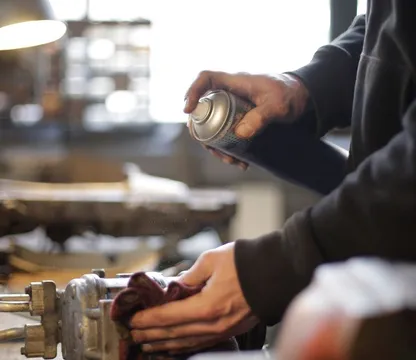
  1. Lubricate gearbox with silicone spray through keyhole
  2. Lubricate hooks and bolts with spray or light oil
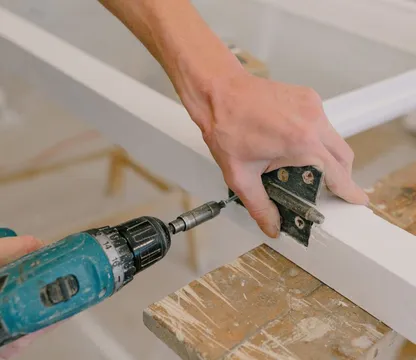
  3. Check hinge tightness and adjust if loose—see our uPVC door maintenance guide
  4. Test all locking points for smooth engagement
  5. Inspect keeps for wear or damage

Avoid These Mistakes

  • Slamming the door—stresses all components
  • Forcing stiff handles—accelerates wear
  • Ignoring early symptoms—problems escalate
  • Using WD-40 in cylindersattracts dust, causes problems

The Bottom Line

Your multipoint locking system is engineering excellence working quietly behind your door. Multiple components, precise coordination, reliable security—when it works, you don’t notice it.

Understanding how it works helps you:

  • Recognise when something’s wrong
  • Maintain it properly
  • Communicate clearly with locksmiths
  • Appreciate what quality security means

The complexity that makes multipoint locks excellent also means they deserve respect and proper care. Treat them well, and they’ll protect your home for decades.